

Our children grow in a world that feels more connected than ever. With people moving across countries and cultures, many children in these transnational families have the potential to become bilingual or even multilingual.
Yet, for many immigrant parents, keeping a heritage language alive can be surprisingly hard. Even with love, intention and pride, a family language can start to fade as the child grows older.
Why transmitting a heritage language abroad can be challenging
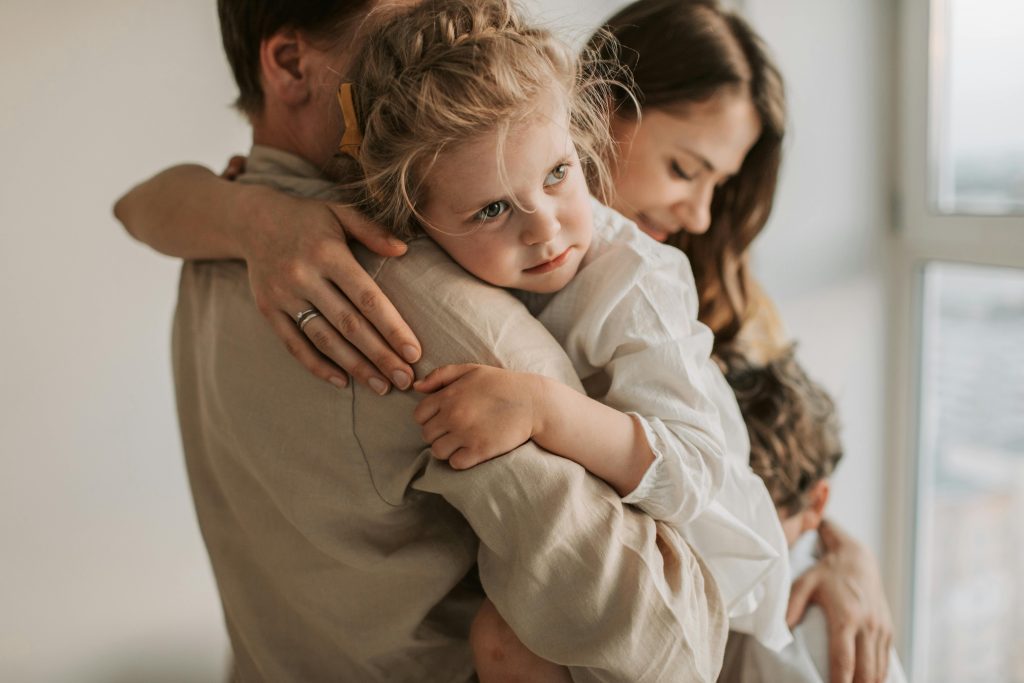
For many children growing up with an immigrant parent, a heritage language naturally becomes part of home life early on. In these homes, kids acquire a language that isn’t spoken in the wider community or society around them. While multilingual upbringing can certainly be challenging at times, research indicates that many children come to appreciate their multilingual abilities later in life.
My studies (and many others) demonstrate that passing on a heritage language, especially one that does not have many speakers in the family’s area of residence, is far from simple. It’s much easier to teach your child a language that’s spoken locally or recognised as an official language of the area. When the family language isn’t used in the community, and children rarely hear anyone else apart from a parent speak it, transmitting that language becomes a far greater challenge. The pull of the majority language can feel almost unstoppable. For parents raising potentially bilingual or multilingual children, this creates an ongoing balancing act. They’re constantly navigating how to maintain their heritage language while their children are surrounded by a dominant language. If a language is demographically weaker or less visible, maintaining it at home becomes more difficult as the child gains independence and spends more time outside the family home.
Heritage language learning takes time, patience, consistent commitment, and work from both children and parents. Every family member I interviewed described foreign heritage language transmission challenges. Parents talked about the process as something that often felt demanding and like “swimming against the tide all the time”. The immigrant background parents in my three academic studies explained that their children struggled with vocabulary and grammar, and many children had a foreign sounding intonation compared to their monolingual peers back home. Most children refuse to speak the home language at some point. This is a very common phenomenon as children don’t want to feel different from everyone around them, language maintenance requires effort, and they may lack motivation to speak a language that they see little practical need for.
If one language receives less input, it naturally develops at a different pace. Bilingual or multilingual language development doesn’t follow a straight line. Instead, it’s a fluid, dynamic, fluctuating process; and sometimes even reversible.
This means that children won’t always sound the way some people imagine a “native speaker” would. The expectations of immigrant background children’s language skills are often unrealistic and restricted. In fact, limited, or any language proficiency in two or more languages is an asset and offers countless benefits.
Being able to speak a heritage language connects a child to their roots, eases communication between generations and helps with identity development. Multilingual teenagers and young people in my latest study described several benefits of having grown up multilingual such as better career prospects, being able to brag about their languages, learning about different cultures, access to more media, connecting with other polyglots, and ease to learn other subjects at school.
Family wellbeing and self-compassion

Every family’s circumstances, and factors affecting language transmission are different, impacting the child’s level of languages. A heritage language develops in response to the child’s environment: for example the amount and type of exposure they get, and their other language(s) influence the child’s language. Therefore, there is no point in comparing a bilingual or multilingual child’s language development to that of a monolingual child.
When children can’t meet the unrealistic expectations of sounding like their peers back in the parent’s home country, it can put strain on the whole family and lead to parents feeling discouraged or upset. Some parents abandon the heritage language altogether. Others report profound heartbreak from having failed to transmit their mother tongue.
Often a heritage language doesn’t develop like initially expected. Progress may be slow, children answer back in the societal language, or refuse to speak the parent’s language. This can trigger tension and negative emotions within families. The child and their parents have invested a lot of time and effort on language transmission that may have proven to be too challenging due to their circumstances or lack of exposure. Both children and parents in my studies expressed a variety of negative emotions from frustration to anger. These feelings can deeply affect the parent–child relationship.
Find the joy and your language community

If children start favouring a school or community language, it is important for us parents to remember that this is completely natural and think of new ways to make heritage language learning motivating for the child. There’s no magic ingredient to guarantee successful transmission. However, having a clear plan can make a real difference. A thoughtful approach helps ensure the child gets enough exposure to the language. Start with these questions:
Are there any other heritage language speakers in your area that you could regularly meet up with?
Are there opportunities for your child to engage in language activities, receive institutional support, or attend heritage language classes either locally or online?
What fun activities or games in the heritage language could you introduce to your daily routine? Consistency matters!
Are there television shows, films, books or music in your language you could enjoy together?
Could you visit the heritage language area on a regular basis or ask family or friends to visit?
Are you concentrating on the positives, and achievements of the child? Praise them when they learn something new or use the heritage language. Tell them how proud you are that they have worked so hard on their language skills.
Are there any joyful celebrations or traditions from your country that you could bring into your family life? In our home, for example, we celebrate two Christmases, two Mothers’ Days, two Fathers’ Days, and a mix of Finnish, Welsh and British traditions.
Have you told your child why your language matters? If your child knows that a heritage language is an important part of their roots, and a language they can use to communicate with grandparents or cousins, it gives them a reason to want to learn it.
Could you explain to the children’s friends why languages other than the majority language are used within your family? When given the opportunity, children and young people can be excellent cultural ambassadors and bridge-builders between different languages and cultures.
Children may also form their own motivations to learn your language. Why not ask them why they’d like to know your language? In my study children reported surprising benefits of being bilingual, such as having a secret language, finding it easier to learn other languages, or treating bilingualism as a party trick. They all thought it was pretty cool to be bilingual!
I don’t believe in the idea of “perfect” language proficiency. It’s completely normal—and healthy—to know and use different languages at different levels. Language learning isn’t something you finish; it’s a lifelong mission.
Let’s celebrate every language in our lives and every small step our children take as they grow on their own unique language journeys!
Read more
Bohnacker, U. (2022) Turkish heritage families in Sweden: language practices and family language policy. Journal of Multilingual and Multicultural Development, 43(9), 861–873.
De Houwer, A. (2021) Bilingual development in childhood (Elements in Child Development). Cambridge University Press.
Karpava, S., Ringblom, N. and Zabrodskaja, A. (2025) Translanguaging as a Dynamic Strategy for Heritage Language Transmission. Languages, 10(2), article 19.
Nandi, A., Manterola, I., Reyna-Muniain, F. and Kasares, P. (2022) Effective Family Language Policies and Intergenerational Transmission of Minority Languages: Parental Language Governance in Indigenous and Diasporic Contexts. In Hornsby, M., McLeod, W. (eds) Transmitting Minority Languages. Palgrave Studies in Minority Languages and Communities. Palgrave Macmillan.
Pankakoski, K. (2023) A study of multilingual families in Helsinki and Cardiff: Parental language ideologies, family language policy, intergenerational language transmission experiences, and children’s perspectives. PhD Thesis, Cardiff University.
Pankakoski, K. (2026) Multilingual family language policy and wellbeing. Multilingual Matters.
Sevinç, Y. and Dewaele, J.-M. (2025) Multilingualism, Emotional Well-Being, and Vulnerability in Contexts of Migration and Displacement. Reference Module in Social Sciences, Elsevier.